

The Importance of Protein Supplements Combined with Foods for Men and Women of All Ages

Protein plays a crucial role in maintaining health and supporting bodily functions for everyone, regardless of age or gender. While many people get enough protein from their diet, combining protein supplements with whole foods can offer unique benefits. This approach helps meet daily protein needs more effectively, supports muscle maintenance, and promotes overall wellness.

Why Protein Matters for Everyone
Protein is a building block for muscles, skin, enzymes, and hormones. It supports immune function and helps repair tissues. Men and women of all ages need protein to:
Maintain muscle mass and strength
Support bone health
Regulate metabolism
Aid recovery after exercise or injury
As people age, muscle loss becomes a concern. Older adults especially benefit from adequate protein intake to reduce the risk of frailty and maintain independence. For younger adults and active individuals, protein supports muscle growth and energy levels.
Challenges in Meeting Protein Needs Through Food Alone
Many people struggle to consume enough protein daily due to busy lifestyles, dietary restrictions, or limited food choices. For example:
Vegetarians and vegans may find it harder to get complete proteins from plants alone.
Older adults might have reduced appetite or difficulty chewing protein-rich foods.
Athletes and highly active people often need more protein than the average diet provides.
In these cases, protein supplements can fill gaps and make it easier to reach daily targets without excessive calorie intake.
Benefits of Combining Protein Supplements with Whole Foods
Using protein supplements alongside a balanced diet offers several advantages:
Convenience: Supplements provide a quick, easy source of protein when meals are not available.
Balanced nutrition: Whole foods supply fiber, vitamins, and minerals that supplements alone lack.
Improved absorption: Eating protein with other nutrients can enhance digestion and uptake.
Variety: Combining sources prevents monotony and supports a wider range of amino acids.
For example, a smoothie made with protein powder, fruits, and leafy greens delivers protein plus antioxidants and fiber. A snack of Greek yogurt with nuts combines dairy protein with healthy fats and minerals.

Tailoring Protein Intake by Age and Gender
Protein needs vary by age, gender, and activity level. Here are general guidelines:
Adult men: About 56 grams per day, more if active or building muscle.
Adult women: Around 46 grams per day, increasing during pregnancy or breastfeeding.
Older adults: May require 1.0 to 1.2 grams per kilogram of body weight to prevent muscle loss.
Children and teens: Needs vary with growth stages, generally higher per body weight than adults.
Combining supplements with foods helps meet these needs without excess calories or imbalanced nutrition. For example, an older adult might add a protein supplement to oatmeal or soup to boost intake without large meals.
Choosing the Right Protein Supplements
Not all protein supplements are the same. Consider these factors:
Type of protein: Whey, casein, soy, pea, rice, and hemp are common options. Choose based on dietary preferences and allergies.
Protein quality: Look for complete proteins with all essential amino acids.
Additives: Avoid products with excessive sugars, artificial flavors, or fillers.
Digestibility: Some proteins digest faster (whey), others slower (casein), which can affect timing and satiety.
Consulting a healthcare provider or dietitian can help select the best supplement for individual needs.
Practical Tips for Combining Protein Supplements with Foods
Add protein powder to smoothies, oatmeal, or pancake batter.
Mix supplements into soups or sauces for extra protein without changing flavor.
Use Greek yogurt or cottage cheese as a base for snacks with added nuts or seeds.
Pair protein supplements with fruits or vegetables to balance meals.
Space protein intake evenly throughout the day to support muscle synthesis.
These strategies make it easier to maintain consistent protein intake and enjoy a variety of nutrients.
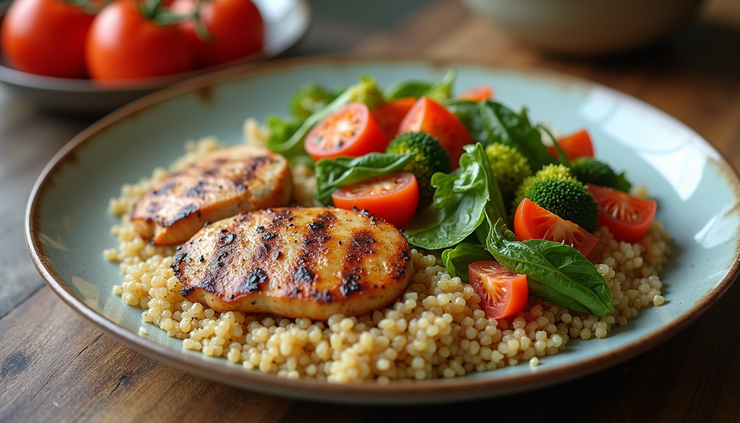
Supporting Health Beyond Muscle
Protein supports more than just muscles. It helps regulate hormones, supports immune defenses, and aids in wound healing. Combining supplements with whole foods ensures the body gets a broad range of nutrients needed for these functions.
For example, vitamin C from fruits enhances collagen formation, which works with protein to maintain skin and joint health. Iron from meats or legumes supports energy levels and oxygen transport.
Final Thoughts on Protein Supplements and Foods
Meeting protein needs is essential for health at every stage of life. Combining protein supplements with whole foods offers a practical, flexible way to support muscle, bone, and overall wellness. This approach helps overcome dietary challenges and promotes balanced nutrition.
Try incorporating protein supplements into your meals and snacks alongside nutrient-rich foods. This simple step can improve your energy, recovery, and long-term health. Always choose quality supplements and consult professionals if you have specific health concerns or dietary restrictions.
Protein is a key part of a healthy lifestyle for men and women of all ages. Use it wisely to build strength and support your body every day.


Comments